Why does it feel like your restaurant is invisible on Google Maps while your competitors keep getting all the clicks, calls, and customers? If you’re running a restaurant in highly competitive states like California, Texas, or New York, this isn’t just frustrating, it can directly impact your revenue and long-term growth. Ranking #1 on Google Maps isn’t a luxury anymore; it’s a necessity for staying relevant in today’s digital-first dining culture.
But here’s the part most restaurant owners miss: you don’t need a massive budget or a big brand name to win. With the right local SEO strategy, consistent optimization, and a focus on what Google actually values, even smaller or newer restaurants can outperform established competitors. Let’s break down exactly how you can make that happen.
Why Google Maps Rankings Matter for Restaurants
When customers search for “best pizza near me” or “restaurants open now,” Google Maps listings (also known as the Local Pack) appear first. These listings drive:
- Immediate foot traffic
- High-intent customers ready to dine
- Increased online orders
Ranking higher here means more visibility, more clicks and ultimately more revenue.
Understanding How Google Maps Ranking Works
Google uses three main factors to rank businesses in local search:
1. Relevance
How well your business matches the search query.
2. Distance
How close your restaurant is to the user searching.
3. Prominence
How well-known and trusted your business is online.
While you can’t control distance, you can absolutely optimize relevance and prominence.
Step-by-Step Strategy to Rank #1 on Google Maps
1. Fully Optimize Your Google Business Profile
Your Google Business Profile (GBP) is the foundation of your local SEO.
Make sure you:
- Use your exact business name (no keyword stuffing)
- Select the most accurate primary category (e.g., “Italian Restaurant”)
- Add secondary categories where relevant
- Write a compelling, keyword-rich description
- Upload high-quality images regularly
Restaurants with active profiles tend to rank higher because Google favors fresh, updated content.
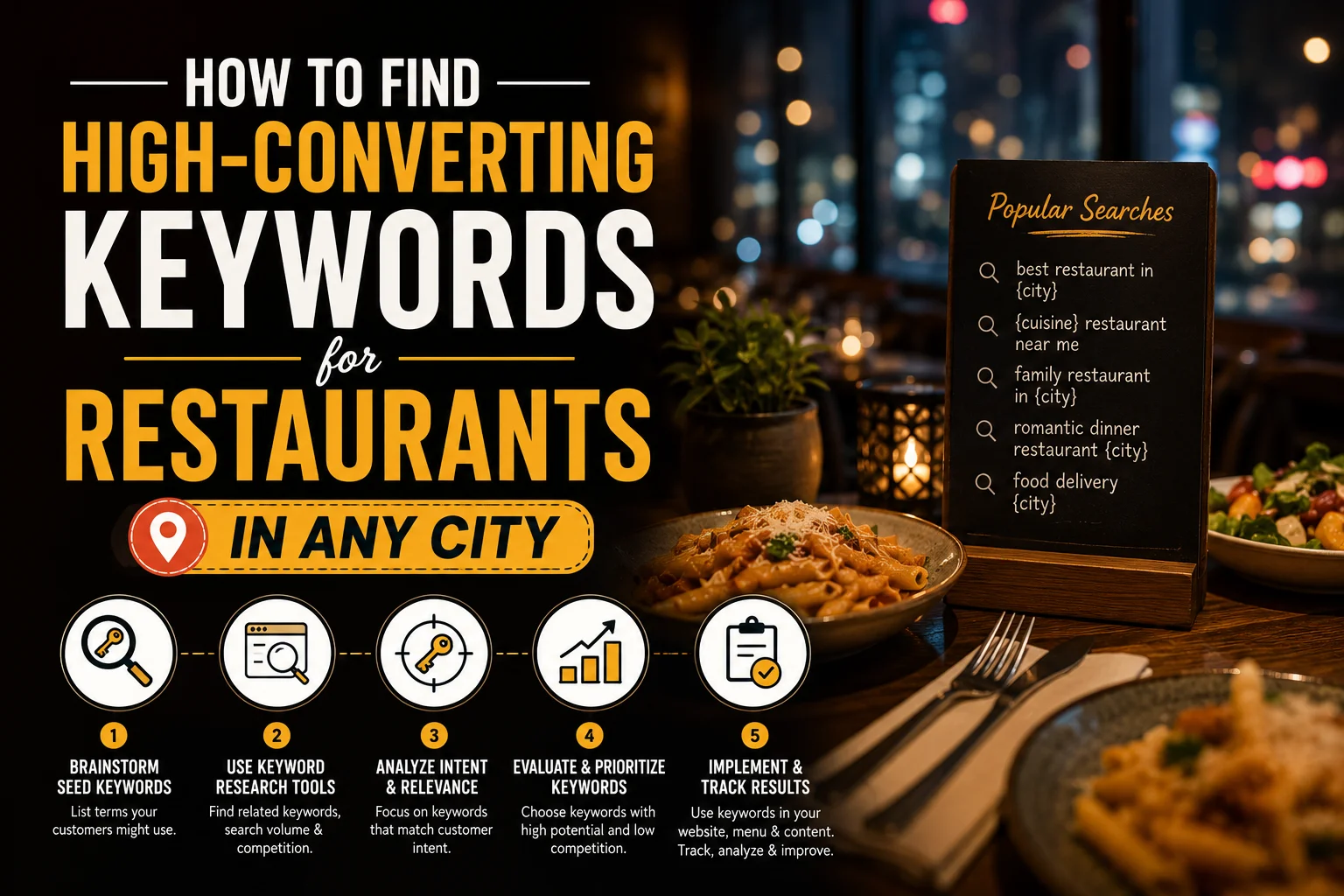
2. Target Local Keywords Strategically
To improve restaurant local SEO, use keywords your customers are actually searching for.
Examples include:
- “best sushi restaurant in Los Angeles”
- “family-friendly restaurant in Dallas”
- “late-night food NYC”
Place these naturally in:
- Your website content
- GBP description
- Menu pages and blog posts
Avoid overstuffing, focus on readability and user intent.
3. Get More High-Quality Reviews
Reviews are one of the strongest ranking signals for Google Maps ranking.
Focus on:
- Getting consistent new reviews (not just a bulk push once)
- Encouraging detailed feedback (mentioning food, service, location)
- Responding to every review,positive or negative
A restaurant with 4.5 stars and 200 reviews often outranks one with 5 stars and only 20 reviews.
4. Build Local Citations and Listings
Citations are mentions of your business on directories like:
- Yelp
- TripAdvisor
- OpenTable
- Apple Maps
Ensure your NAP (Name, Address, Phone Number) is consistent across all platforms. Inconsistencies can hurt your rankings.
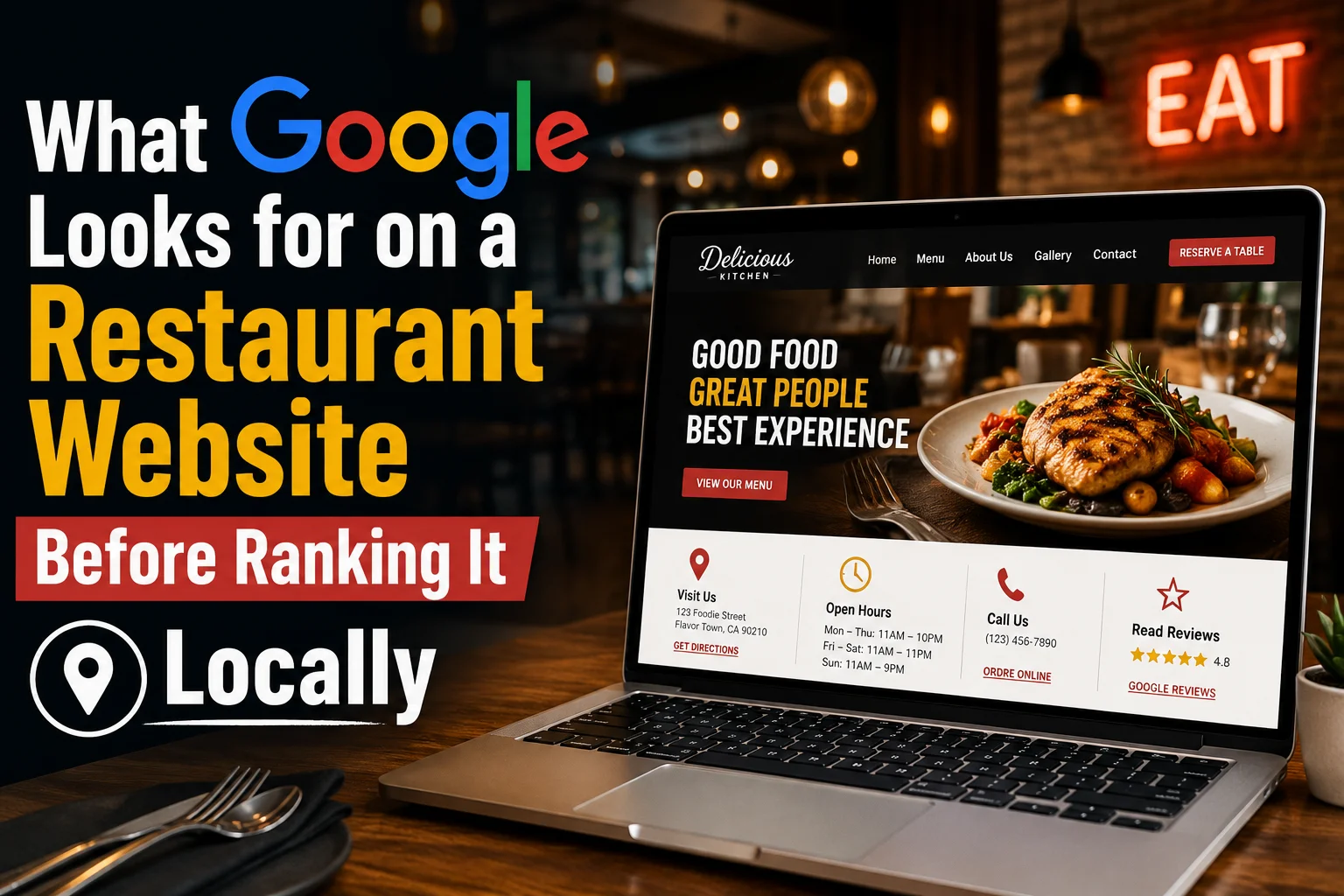
5. Optimize Your Website for Local SEO
Your website plays a crucial role in boosting your Maps ranking.
Make sure to:
- Create location-specific landing pages
- Add schema markup for restaurants
- Optimize page speed and mobile experience
- Embed Google Maps on your contact page
Also, include keywords like “restaurant near [city]” naturally in your content.
6. Earn Local Backlinks
Backlinks from local websites signal authority to Google.
Try:
- Partnering with local food bloggers
- Getting featured in local news outlets
- Sponsoring community events
These links not only improve SEO but also increase brand visibility.
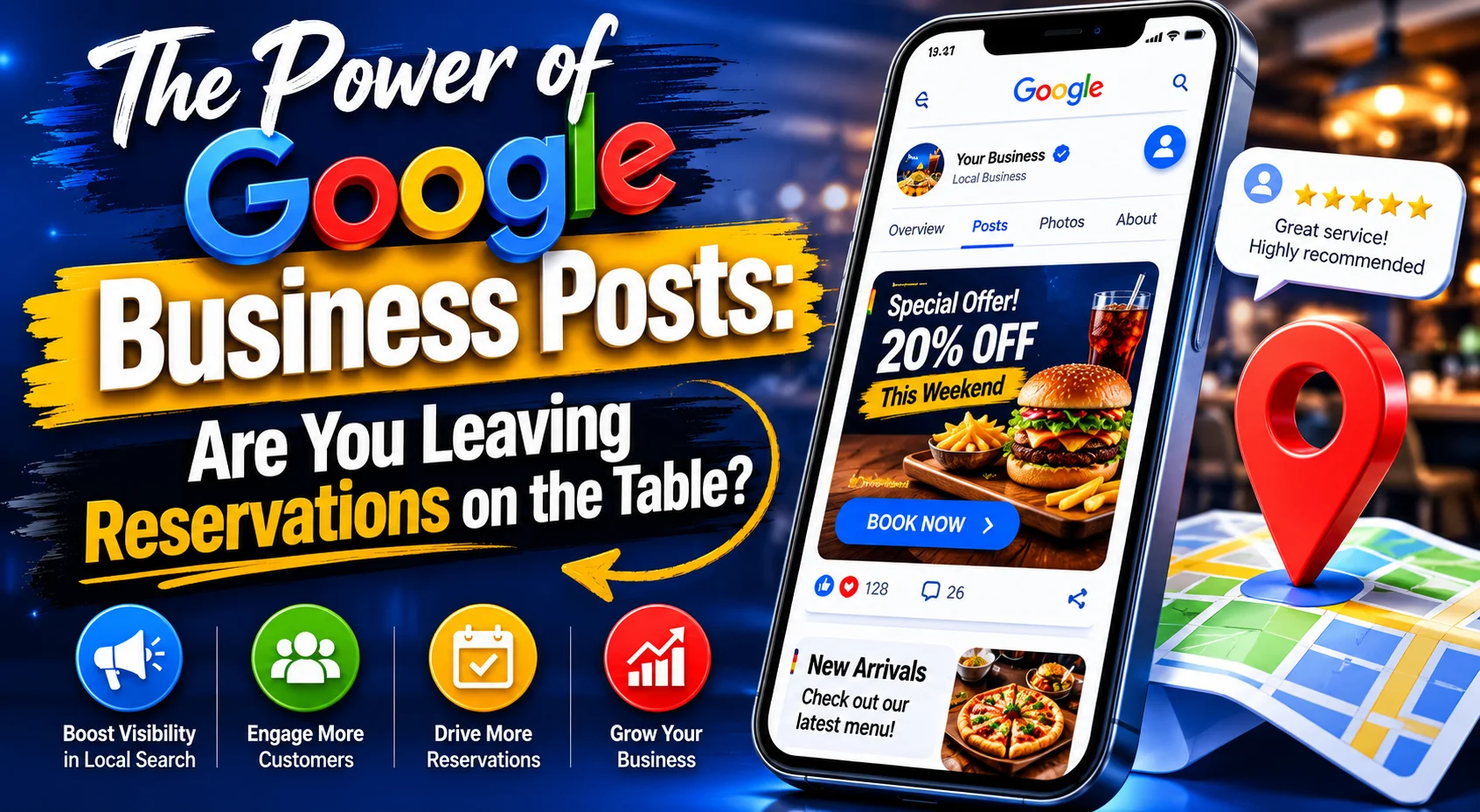
7. Post Regular Updates on Google Business Profile
Google allows you to post updates, offers and events.
Use this feature to:
- Promote special deals
- Highlight new menu items
- Share upcoming events
Frequent activity shows Google that your business is active and relevant.
Common Mistakes to Avoid
Even small mistakes can hold you back in competitive markets.
Avoid:
- Keyword stuffing your business name
- Ignoring negative reviews
- Using low-quality or outdated images
- Inconsistent business information
Fixing these can quickly improve your rankings.
Conclusion
Ranking #1 on Google Maps for restaurants in competitive states isn’t about luck, it’s about strategy, consistency, and execution. By optimizing your Google Business Profile, collecting authentic reviews, targeting the right local keywords, and building authority through backlinks and citations, you can steadily climb to the top.
Stay consistent, focus on delivering real value to your customers, and your rankings will follow. For more actionable strategies, visit Local SEO for Restaurants.
FAQs
1. How long does it take to rank on Google Maps?
It typically takes 1–3 months, depending on competition and optimization efforts.
2. Do reviews really impact rankings?
Yes, reviews significantly influence both rankings and customer trust.
3. Can I rank without a website?
It’s possible, but having a website greatly improves your chances.
4. How many reviews do I need to rank #1?
There’s no fixed number, but more high-quality reviews give you an advantage.
5. What is the most important ranking factor?
Google Business Profile optimization and consistent reviews are key.
Ready to Dominate Google Maps?
If you want your restaurant to consistently attract more customers and outrank competitors, it’s time to take action. Contact localseoforrestaurants.net and start optimizing your local presence today.