Are you getting website clicks but not seeing more people walk into your restaurant? You’re not alone and the issue usually comes down to one thing: targeting the wrong keywords. In today’s competitive U.S. restaurant market, success isn’t about traffic volume, it’s about attracting hungry customers ready to take action.
Let’s break down how to use restaurant SEO keywords the right way so your website drives real reservations, orders and foot traffic.
Why Restaurant SEO Keywords Matter for Real Growth
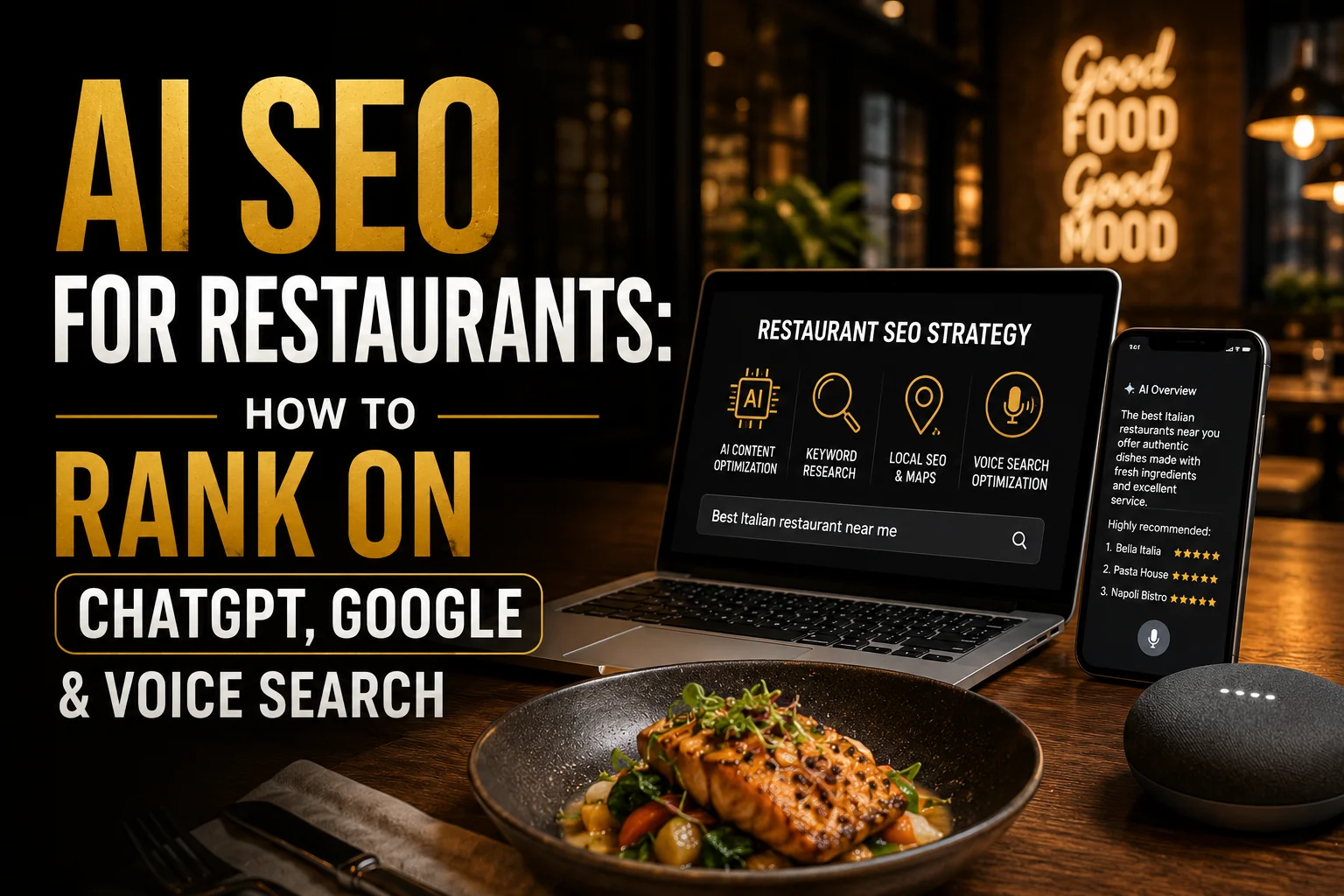
More than 90% of diners search online before choosing where to eat, making SEO one of the most powerful tools for restaurants today . But here’s the catch, ranking for generic terms like “restaurant” won’t get you far.
To win in Google search, your keywords must:
- Match real customer intent
- Be location-specific
- Reflect what people actually type or say
When done right, SEO doesn’t just boost visibility, it directly increases reservations, calls, and walk-ins.
Understanding Search Intent (The Key to Conversions)
Not all keywords are equal. The difference between traffic and customers lies in search intent.
Transactional Keywords (High-Converting)
These users are ready to act:
- “order pizza delivery near me”
- “book table at Italian restaurant NYC”
These keywords drive immediate revenue.
Local Keywords (Essential for Restaurants)
Restaurants thrive on nearby customers:
- “best sushi in Los Angeles”
- “brunch near Times Square”
Local searches dominate mobile usage and decision-making moments .
Informational Keywords (Supportive Content)
These build awareness:
- “what is vegan food”
- “best brunch dishes”
Useful, but not your primary revenue drivers.
Types of Restaurant SEO Keywords That Actually Bring Customers
To attract real diners, focus on these high-intent keyword categories:
1. “Near Me” Keywords
- “restaurants near me”
- “food open near me now”
These have massive search volume and strong purchase intent.
2. Cuisine-Specific Keywords
- “Mexican food near me”
- “Italian restaurant in Chicago”
They connect you with people already craving your menu.
3. Occasion-Based Keywords
- “romantic dinner spots in Miami”
- “birthday dinner restaurants Dallas”
These attract customers planning specific experiences.
4. Service-Based Keywords
- “takeout near me”
- “late night restaurants open now”
Perfect for capturing urgent demand.
5. Long-Tail Keywords (Your Secret Weapon)
- “best gluten-free pizza delivery in Austin”
- “family-friendly brunch in San Diego”
Long-tail keywords convert better because they are more specific and less competitive .
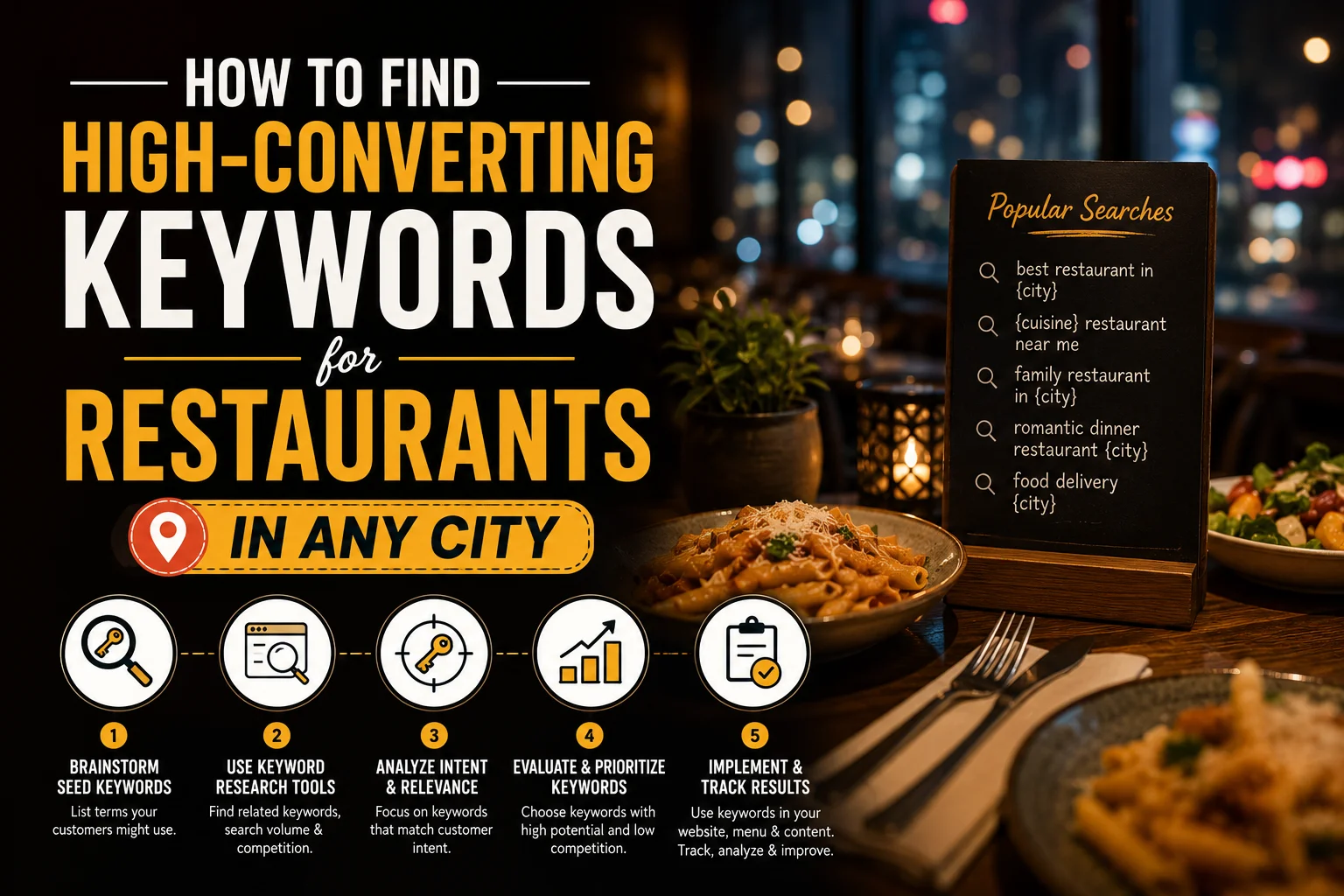
How to Find the Right Restaurant SEO Keywords
Use Google’s Built-In Data
Start simple:
- Google autocomplete
- “People also ask”
- Related searches
These reveal real user behavior instantly.
Use Keyword Tools
Professional tools give deeper insights:
- Google Keyword Planner
- Ahrefs
- SEMrush
Focus on:
- High intent
- Local relevance
- Achievable competition
Where to Use Keywords for Maximum Impact
Choosing keywords is only half the job, you must place them strategically.
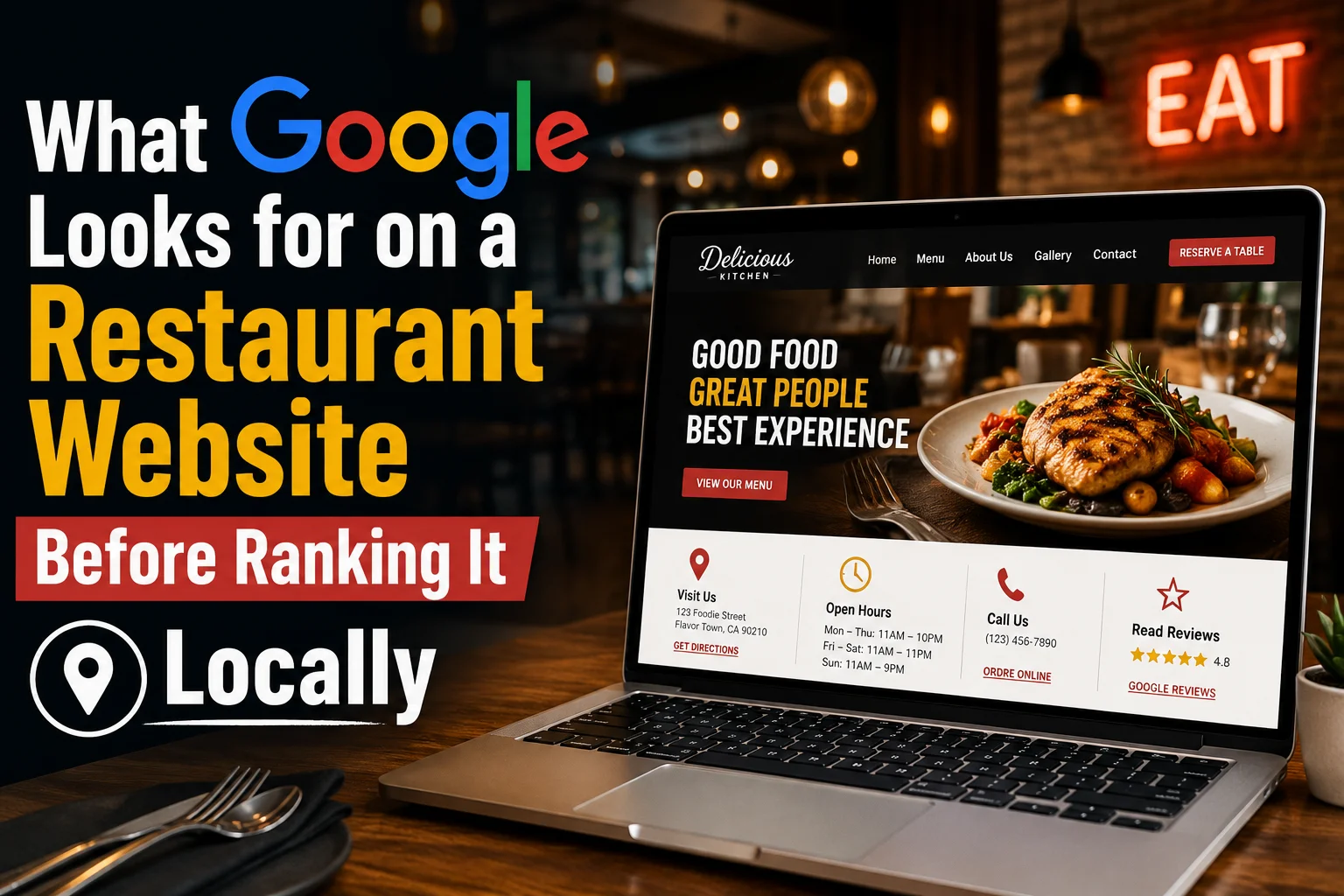
Website Optimization
Include keywords in:
- Page titles and meta descriptions
- Headings (H1, H2)
- Menu and service pages
Blog Content
Create helpful articles like:
- “Top 10 brunch spots in NYC”
- “Best vegan dishes in Los Angeles”
This builds authority and supports your main pages.
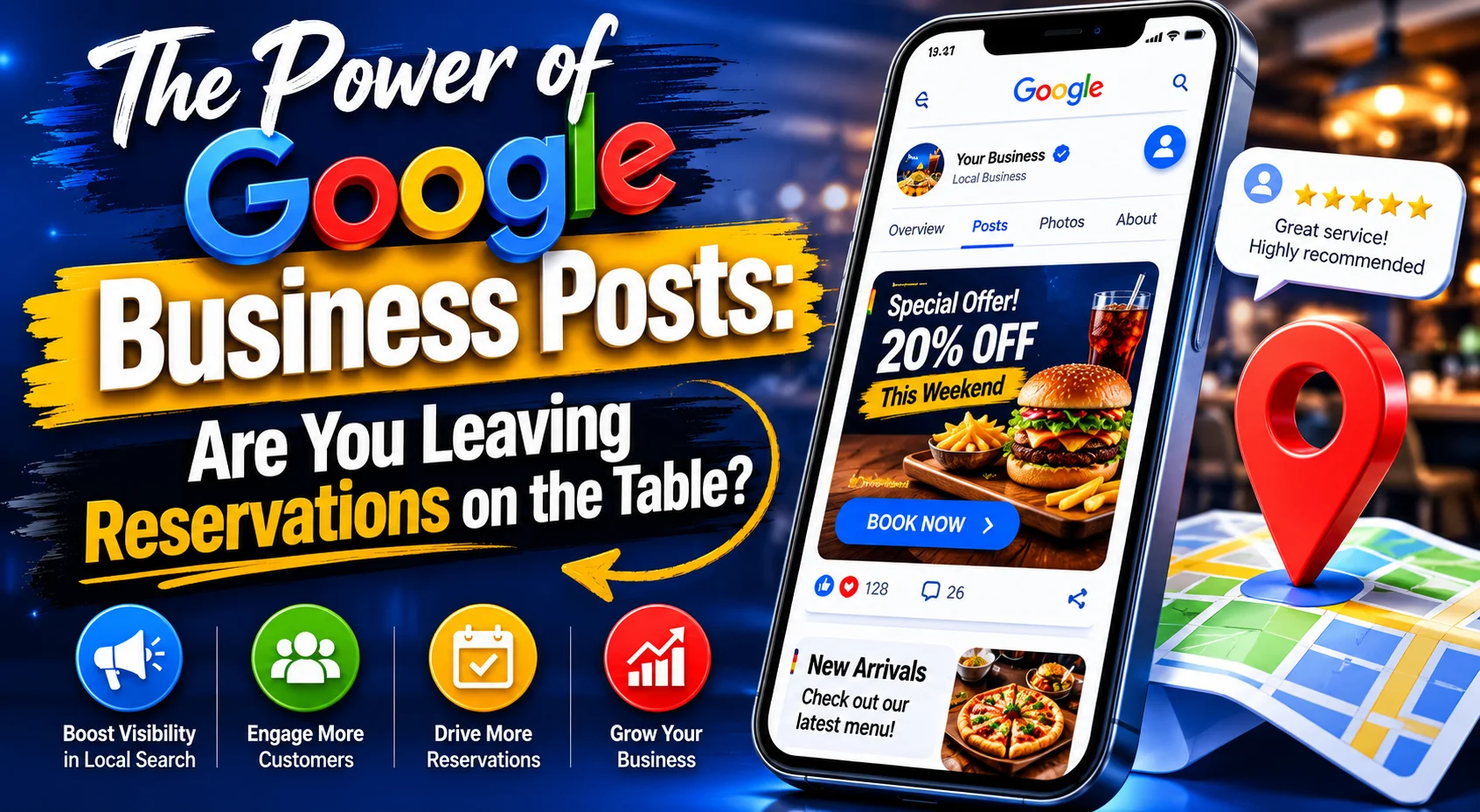
Google Business Profile
Critical for local SEO:
- Add keywords in your description
- Keep categories accurate
- Encourage keyword-rich reviews
The top 3 Google Maps results capture most clicks, making this step essential.
Common Mistakes That Kill Restaurant SEO
Avoid these pitfalls if you want real results:
- Targeting only broad, generic keywords
- Ignoring local search intent
- Keyword stuffing (hurts rankings)
- Not updating content regularly
Instead, focus on relevance, quality and user experience.
Pro Tips to Turn Keywords into Customers
- Use location + keyword combinations (e.g., “BBQ in Austin”)
- Optimize for mobile searches
- Add schema markup for menus and reviews
- Build local backlinks (directories, partnerships)
Remember: SEO is about connecting with people ready to eat, not just browsing.
Conclusion
The difference between traffic and real customers comes down to intent-driven restaurant SEO keywords. By focusing on local, transactional, and long-tail phrases, you position your restaurant exactly where it matters, right in front of hungry customers making decisions.
In short, smart keyword strategy = more bookings, more orders, and more growth. Contact Us For More!
FAQs
1. What are restaurant SEO keywords?
They are search terms people use to find places to eat, like “best restaurant near me.”
2. Which keywords bring the most customers?
Local and transactional keywords (e.g., “order food near me”) convert best.
3. Are long-tail keywords important?
Yes, they have lower competition and higher conversion rates.
4. How often should I update keywords?
Review and update your strategy every 3–6 months.
5. Do reviews help SEO?
Yes, especially when they include relevant keywords and location terms.
Call to Action
Want more diners,not just more clicks? Start using high-converting restaurant SEO keywords today and turn your website into a revenue engine. For expert help and proven strategies, visit local seo for restaurants and grow your restaurant the smart way.