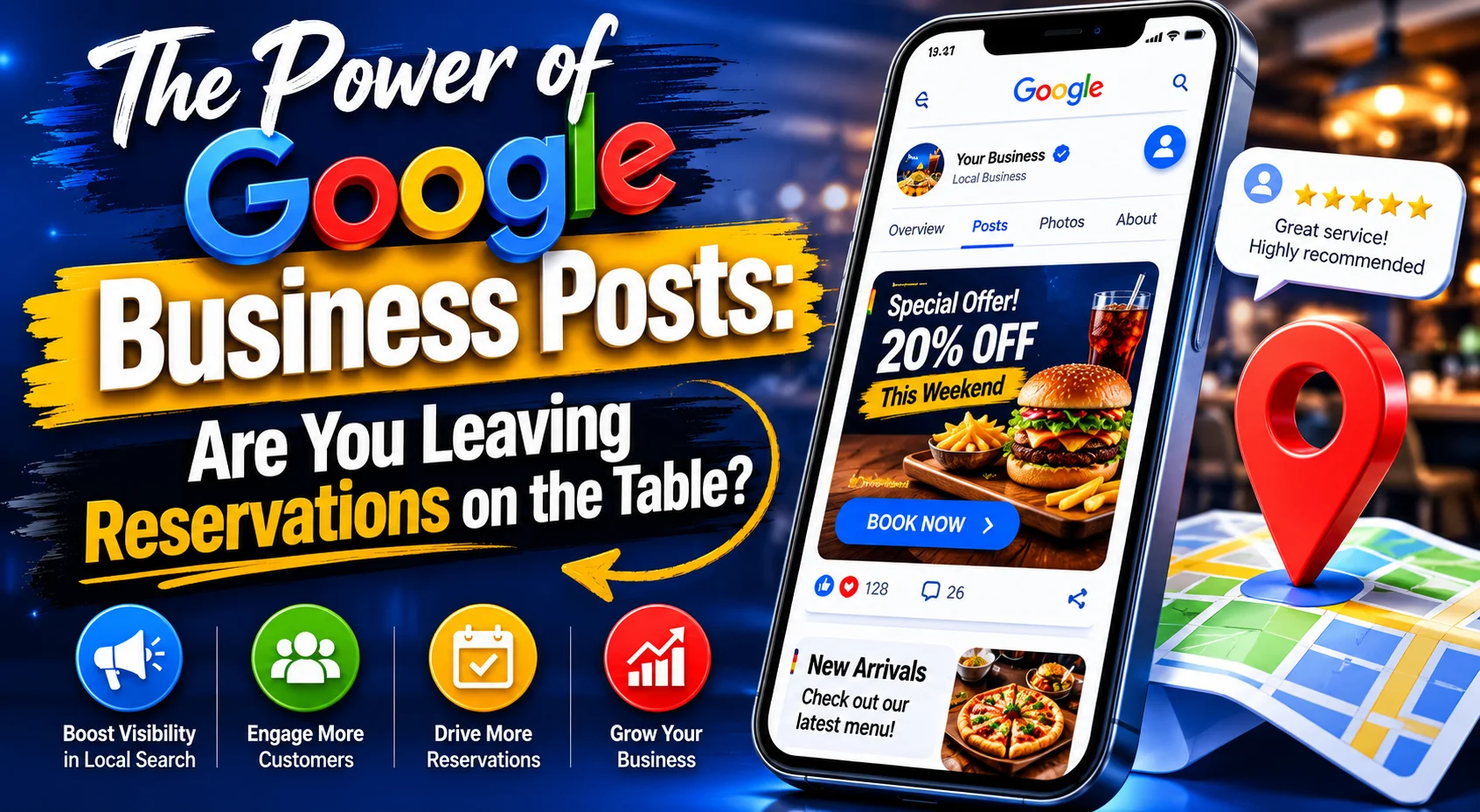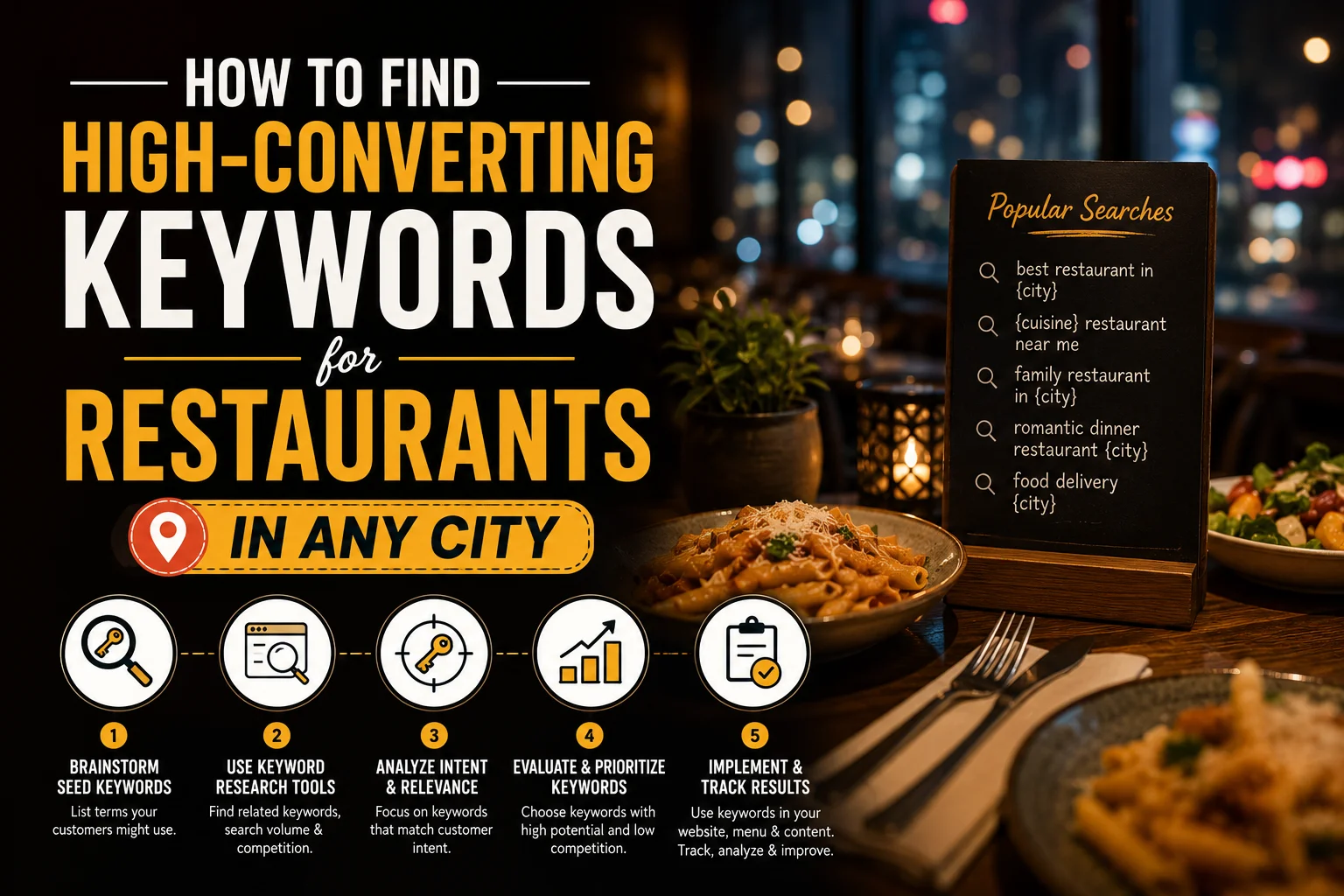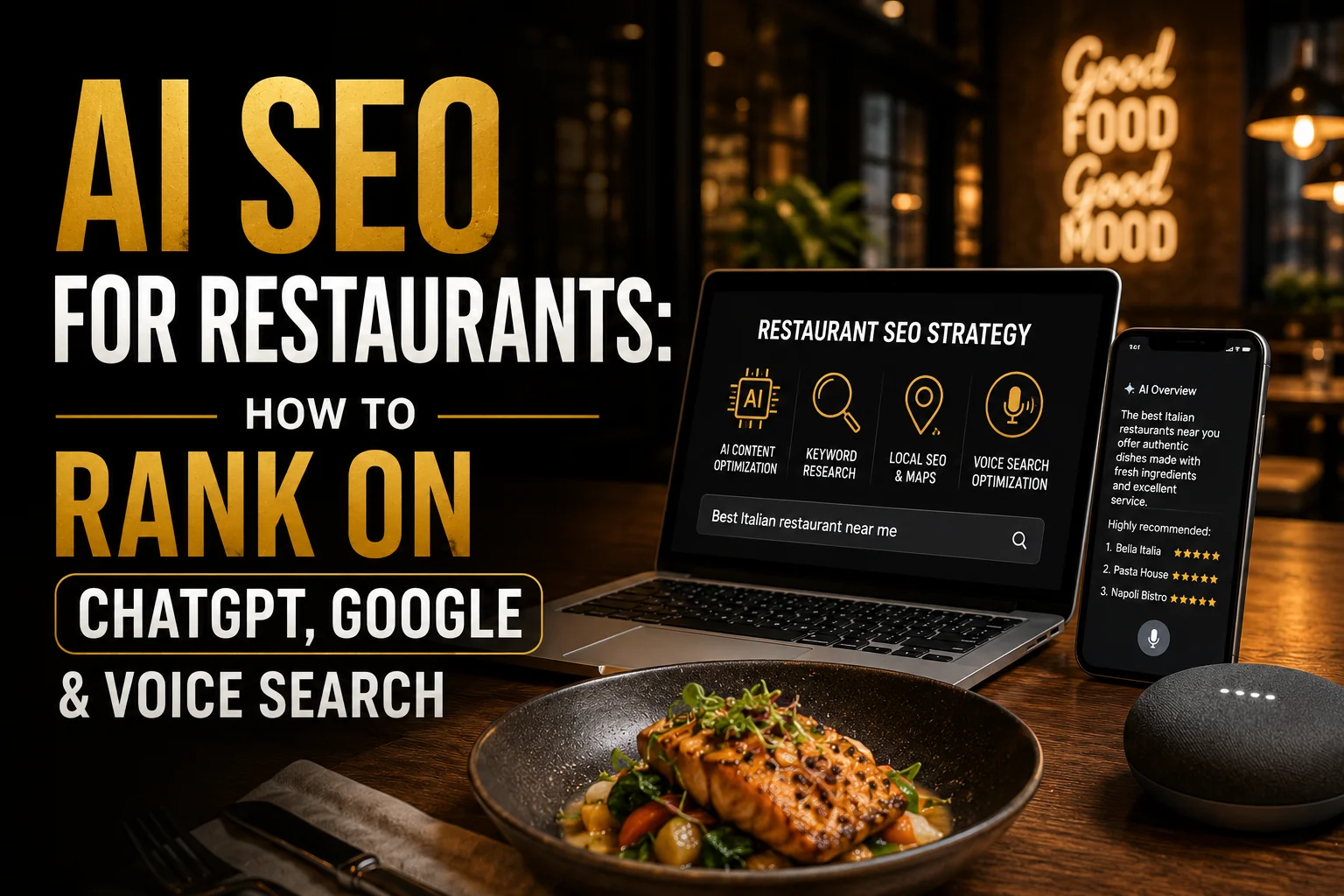
Why do some restaurants in the U.S. have lines out the door while others struggle to get noticed, even when the food is just as good? The difference often has little to do with taste and everything to do with visibility. Hidden local SEO signals quietly determine how your restaurant shows up in search results and Google Maps, influencing who finds you first. If you understand how these signals work, you can turn online searches into real diners, without relying heavily on paid ads.
What Are Hidden Local SEO Signals?
Local SEO signals are the ranking factors search engines use to determine which businesses appear in local search results. These signals are especially important for searches like “best restaurant near me” or “top brunch spots in New York.”
While many focus on basic SEO tactics, it is often these lesser-known signals that quietly drive consistent traffic and footfall.
1. Google Business Profile Activity
Simply creating a Google Business Profile is not enough. Ongoing activity is what truly impacts rankings.
What Makes a Difference:
- Regular updates such as promotions or menu changes
- High-quality, authentic images
- Accurate and updated business hours
- Proper category selection
Search engines prioritize businesses that remain active and relevant over time.
2. Review Quality and Freshness
Customer reviews play a major role, but it is not just about having a high rating.
Important Review Signals:
- Use of relevant keywords in reviews
- Consistent flow of new reviews
- Thoughtful responses from the business owner
A restaurant with recent and detailed reviews often performs better than one with outdated feedback.
3. NAP Consistency Across Platforms
NAP refers to your Name, Address and Phone Number. Consistency across all online platforms is essential.
Platforms to Monitor:
- Yelp
- TripAdvisor
- Online directories
Even small inconsistencies can reduce trust in your business listing and negatively impact rankings.
4. Local Search Intent Keywords
Understanding how customers search is critical.
Examples:
- “Family restaurant in Chicago”
- “Best seafood in Miami”
- “Late-night dining in Los Angeles”
Using location-based and intent-driven keywords naturally within your content helps search engines match your business with the right audience.
5. Mobile Optimization
Most local searches in the U.S. happen on mobile devices. If your website is not optimized for mobile, you are likely losing potential customers.
Key Factors:
- Fast loading speed
- Easy navigation
- Clear contact and menu information
Search engines favor websites that provide a smooth mobile experience.
6. Engagement Signals from Google Maps
User interaction with your listing sends strong signals to search engines.
These Include:
- Requests for directions
- Clicks to call
- Website visits from listings
Higher engagement suggests that your restaurant is relevant and popular, improving your ranking.
7. Local Backlinks
Backlinks from locally relevant sources can significantly boost your visibility.
Valuable Sources:
- Local blogs and food critics
- City-based news websites
- Community event listings
These links signal to search engines that your business is trusted within the local community.
8. Social Media and User Activity
Although social media is not a direct ranking factor, it contributes indirectly.
Helpful Actions:
- Customers tagging your location
- Check-ins and shares
- User-generated content
This increases brand awareness and drives traffic, which supports your overall SEO performance.
9. Behavioral Signals
User behavior plays a silent but powerful role in local SEO.
Key Metrics:
- Click-through rate
- Time spent on your website
- Bounce rate
- Actions like reservations or calls
When users interact positively with your listing, search engines interpret it as valuable, leading to better rankings.
How to Improve Your Local SEO Strategy
To strengthen your local presence, focus on the following:
- Keep your Google Business Profile active and updated
- Encourage genuine customer reviews
- Maintain consistent business information across platforms
- Optimize your website for mobile users
- Build relationships with local publishers and influencers
- Use location-based keywords naturally
Consistent effort in these areas leads to measurable improvements over time.
Conclusion
Hidden local SEO signals are often the difference between a restaurant that thrives and one that struggles to attract attention. By focusing on consistency, engagement, and user experience, you can improve your online visibility and turn searches into real customers.
Understanding and applying these strategies will help your restaurant stand out in a competitive market and achieve long-term success. Contact Us To get More Info on This.
FAQs
1. What is local SEO for restaurants?
It is the process of optimizing your online presence to attract nearby customers through search engines.
2. How important are customer reviews?
They are essential for building trust and improving search rankings.
3. Do I need a website for local SEO?
Yes, it strengthens your credibility and supports your overall SEO efforts.
4. How long does local SEO take to show results?
Results can appear within a few weeks but typically improve over several months.
5. Can social media help local SEO?
Yes, indirectly by increasing engagement and driving traffic.
Call to Action
If you want to consistently fill your restaurant tables, start focusing on the local SEO signals that truly matter. Partner with a trusted SEO expert to improve your visibility and grow your business effectively.